
Piles, fistula and fissure — treated with laser, not a scalpel.
A 15–30 minute day-case procedure that seals the problem from the inside. No excision, no open wound to dress, no continence muscle divided. Most patients walk out the same afternoon and are back at their desk within about 48 hours.

- Minimally invasive — no large incisions, less pain than open surgery
- Sphincter-preserving — no continence muscle is cut
- Virtually bloodless — the laser seals vessels as it works
- Shorter procedures — often under 30 minutes
- Lower recurrence — consistent, controlled energy application
Request your appointment
We reply within one working hour, Sat–Thu.
Four conditions. Four laser solutions.
Each condition has its own page, split into two halves: understand the disease first, then decide about the treatment. No pressure, no jargon.
Hemorrhoids (Piles)
Painless bright-red bleeding, a lump that comes and goes, itching or a dragging sensation. Laser Hemorrhoidoplasty shrinks the pile from within instead of cutting it away.
Disease & treatment FiLaCAnal Fistula
A small opening near the anus that discharges pus or blood and never quite heals. FiLaC closes the tunnel from the inside, leaving the continence muscle untouched.
Disease & treatment Laser sphincterotomyAnal Fissure
Sharp, glass-like pain during a bowel movement that lingers for hours afterwards. Laser releases the muscle spasm precisely and helps the tear finally close.
Disease & treatment EPSiT · SiLaCPilonidal Sinus
Recurrent swelling, pits and discharge at the top of the buttock cleft. Endoscopic cleaning plus laser ablation replaces wide excision and months of packing.
Disease & treatmentColonoscopy — diagnostic & screening
Rule out disease higher up the colon, screen for colorectal cancer, and have polyps removed in the same sitting. Often combined with your proctology procedure under one anaesthetic.
What to expect & how to prepareTraditional surgery vs. modern laser proctology
Conventional operations work — they have done for a century. The question is what they cost you in pain, time and risk. This is the same table you will be shown in consultation.
| Conventional open surgery | Laser proctology | |
|---|---|---|
| Tissue handling | Diseased tissue is cut out with a scalpel or diathermy | Tissue is treated from inside with controlled laser energy — nothing is excised |
| Surgical wound | Open wound left to heal over 4–8 weeks | No open wound; entry point is 1–2 mm |
| Continence muscle | Sphincter fibres may be divided (fissure and fistula surgery) | Sphincter is preserved — the defining advantage of laser technique |
| Bleeding | Blood loss requiring sutures or packing is routine | Virtually bloodless — the laser seals vessels as it works |
| Anaesthesia | General or spinal anaesthesia, longer theatre time | Short general, spinal or sedation — 15–30 minutes in theatre |
| Hospital stay | Often overnight, sometimes 2–3 days | Day case — home the same afternoon in the great majority of cases |
| Pain afterwards | Frequently severe for 1–3 weeks; dressing changes are dreaded | Usually mild discomfort or a dull ache, controlled with simple analgesia |
| Return to work | 2–6 weeks depending on procedure | About 48 hours for desk work; ~1 week for physically demanding jobs |
| Repeatability | Redo surgery is harder — scarring and lost tissue | Can be repeated if needed; nothing has been removed |
| Where it still wins | Very large, thrombosed or circumferential disease, and cancer, still need open surgery | Not suitable for every case — suitability is decided after examination, not online |
Comparison reflects typical published outcomes for laser versus conventional techniques and this clinic's practice. Your surgeon will tell you plainly if open surgery is the better operation for your particular anatomy.
What actually happens, step by step
Most people delay for years out of embarrassment. Here is exactly what you are agreeing to, so there are no surprises.
-
1
Day 0 · 10 minutes
A message, not a commitment
WhatsApp or the form. Describe the symptom in your own words. You will be told whether this needs a clinic visit at all.
-
2
Consultation · 30 minutes
Examination and honest staging
A gentle proctoscopic examination in a private room. You will be told your grade or classification and what each option realistically offers — including doing nothing.
-
3
Before the day
Simple preparation
Routine blood tests, a single enema or mild laxative at home, and clear instructions on fasting and which medicines to pause. No bowel-emptying ordeal.
-
4
Procedure day · 15–30 minutes
The laser procedure
You are asleep or numb — you feel nothing. A fine fibre delivers energy exactly where it is needed. Recovery area for 2–4 hours, then home with a companion.
-
5
Days 1–14
Recovery, then normal life
Simple painkillers, a stool softener, warm sitz baths. Desk work at about 48 hours. A review at two weeks, and direct WhatsApp access to the clinic the whole time.
- Swift Day Surgical Center, Jumeirah — Mon, Thu & Sat, 11:00–18:00
- Armada Medical Centre, JLT — Wed & Fri, 11:00–18:00
- Private entrance and a private recovery bay for every patient
- General-anaesthesia cases are arranged at Trellis Hospital
Patient stories, coming soon
We are building a collection of real, consented patient accounts to share here. Visit our Patient Stories page or ask us directly during your consultation about what to expect.
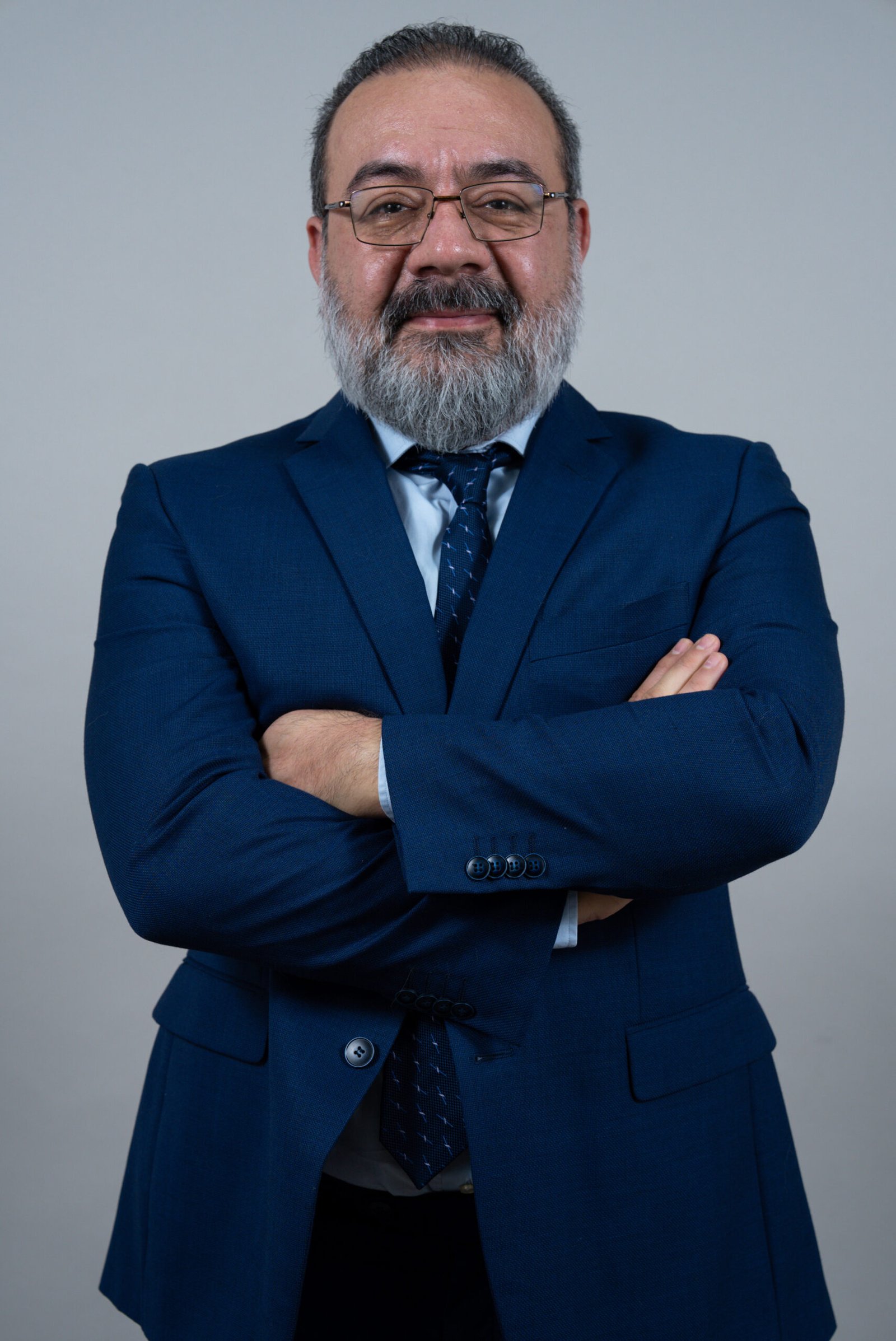
Dr Kerim Erdem Ulucay. Every consultation, every procedure, every follow-up.
You will not be handed between a consultant for the clinic visit and someone else in theatre. The surgeon who examines you is the surgeon who performs your procedure and who answers your message afterwards when you are wondering whether what you are feeling is normal.
The practice is deliberately focused: hemorrhoids, fistula, fissure and pilonidal disease, treated with laser where laser is genuinely the better option, plus diagnostic colonoscopy and laparoscopic surgery where a broader assessment is needed. That focus is what makes a 20-minute procedure reliable.
Four reasons people travel across Dubai for this procedure
One surgeon, start to finish
The surgeon who examines you is the surgeon who performs your procedure and who answers your message afterwards. You are not handed between a clinic consultant and a theatre list.
Sphincter-preserving by default
The continence muscle is not divided. Laser energy is applied under direct vision to seal the problem from the inside, which is what keeps day-case recovery realistic.
22+ years of surgical judgement
MD, MSc, FACS, FICS, with a Laparoscopic Surgery Diploma from Strasbourg and 14+ years practising in the UAE. Laser is offered where laser is genuinely the better operation — and conventional surgery where it is not.
Discretion treated as clinical care
Private consultation rooms, appointments spaced so you are not sitting in a full waiting room, and a direct line to the surgeon rather than a shared clinic switchboard.
Frequently asked questions
Is laser proctology treatment painful?
The procedure itself is not felt at all — it is performed under general anaesthesia, spinal anaesthesia or sedation. Afterwards, most patients describe a dull ache, pressure or mild soreness rather than the sharp pain associated with conventional excisional surgery, and it is normally controlled with simple oral painkillers such as paracetamol and an anti-inflammatory.
The honest version: laser proctology is markedly less painful than open surgery, but it is not sensationless. Expect a few uncomfortable bowel movements in the first week. That is normal and it settles.
What is "laser in proctology" and how do I find a laser proctologist in Dubai?
Laser in proctology means treating hemorrhoids, anal fistula, anal fissure and pilonidal sinus with controlled laser energy instead of a scalpel — as day surgery laser proctology, typically 15–30 minutes with same-day discharge rather than an overnight stay. If you are searching for proctology surgery or a proctologist near me in Dubai, look specifically for a DHA-licensed laser proctologist who examines you, performs the procedure and follows you up personally, rather than handing you between a consulting doctor and a separate surgical team.
Dr Kerim Erdem Ulucay is a DHA-licensed laser proctologist in Dubai, seeing patients at two clinic locations — Swift Day Surgical Center in Jumeirah and Armada Medical Centre in JLT.
How soon can I go back to work?
For office-based work, most patients return within about 48 hours. If your job involves heavy lifting, long driving shifts or standing all day, allow around a week. Air travel is usually fine after 3–5 days for a short-haul flight. You will be given a written fitness-to-work note if your employer requires one.
Will the laser damage my sphincter or affect continence?
Sphincter preservation is the central reason laser techniques were developed. In FiLaC, energy is delivered inside the fistula tract itself, so the muscle the tract passes through is never divided. In laser hemorrhoidoplasty, the energy is deposited inside the haemorrhoidal cushion, well away from the muscle. In fissure treatment, the release is controlled and far more limited than a conventional lateral internal sphincterotomy.
No operation on the anal canal is entirely without risk to continence, and any surgeon who tells you otherwise is overselling. But the risk with laser technique is substantially lower than with the open equivalents, and this is discussed with you and documented before you consent.
Do I need a general anaesthetic?
Not always. Depending on the condition, your anatomy and your own preference, the options are a short general anaesthetic, spinal anaesthesia, or intravenous sedation with local anaesthetic. Because theatre time is only 15–30 minutes, the anaesthetic dose is small and recovery is quick — you will normally be sitting up and drinking within the hour.
Can the problem come back after laser treatment?
Yes — recurrence is possible after every proctological treatment, laser or conventional. Reported recurrence is low for laser hemorrhoidoplasty in appropriately selected grades, moderate for complex fistula (FiLaC may need a second session, which is straightforward because nothing was removed the first time), and closely tied to hair control and hygiene in pilonidal disease.
The biggest determinant is not the laser — it is what happens afterwards: fibre intake, hydration, avoiding straining and not spending twenty minutes on the toilet with a phone.
Is the treatment covered by insurance in the UAE?
Many UAE insurers cover proctological surgery when it is medically indicated, and several now specifically approve laser techniques. Coverage depends on your policy tier, waiting periods and whether the condition is judged pre-existing. The clinic will submit a pre-approval on your behalf with the clinical justification and will give you a clear self-pay figure before anything is scheduled, so there is no surprise invoice.
How discreet is the clinic?
Appointments are spaced so you are not sitting in a full waiting room. Consultations are in a private room. Your records are confidential and are not shared with your employer, your sponsor or your family without your written permission. Invoices and insurance correspondence can be issued under a neutral description on request.
I am bleeding but I have no pain. Should I still be seen?
Yes. Painless bright-red bleeding is the classic presentation of internal hemorrhoids, and in most people that is exactly what it turns out to be. But painless bleeding is also how early colorectal cancer and inflammatory bowel disease can present, and the two cannot be told apart by symptoms alone. A five-minute examination settles the question. If there is any doubt, or if you are over 45, a colonoscopy will be recommended first — and no responsible proctologist will treat piles without excluding the alternatives.
The consultation is confidential. The examination takes five minutes.
Most patients who finally come in say the same thing afterwards: it was far less of an ordeal than the years of putting it off. Message the clinic today and find out what you are actually dealing with.
Swift Day Surgical Center (Jumeirah) — Mon · Thu · Sat · Armada Medical Centre (JLT) — Wed · Fri · 11:00–18:00